
Leading Change in Continuing Education
Listen. Learn. Earn Continuing Education Units.

Related Free Handouts & Downloads

Get this course and more with an SLP Nerdcast Membership
MEMBERSHIP INCLUDES
- Unlimited access to 100+ courses for ASHA CEUs: All SLP Nerdcast Memberships get you unlimited access to courses for ASHA CEUs that go in your ASHA Registry and can count towards an ACE Award
- Access to conferences, live events and exclusive content All SLP Nerdcast Memberships get access to live events and exclusive content, including two annual conferences, SLP Linked and LEAHP.
- Unlimited Access to our Resource Library Upgrade to our All Access Membership and get unlimited access to our Resource Library that includes therapy materials, course handouts, and resources you need to save time.
"Thank you for making this excellent, research-based learning opportunity that is both extremely accessible and affordable. This is the best kind of PD: it’s one hour at a time so I can learn and then have time to synthesize and apply. It provides information I can apply to my practice immediately; and I can listen and learn while I drive, fold laundry, etc. thanks for the research and resources!"
-Johanna H.

Choose the Membership that's Right for You
Meet your Instructors
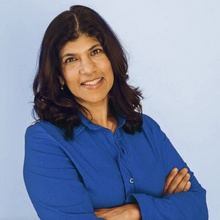
Dr. Reva Barewal, DDS, MS

Speech and Language Pathologist, Board Certified Behavior Analyst Kate Grandbois
Speaker Disclosures
References & Resources
Steele, C.M., & Miller, A.J. (2010). Sensory Input Pathways and Mechanisms in Swallowing: A Review. Dysphagia, 25, 323 - 333.
Jean A (1990) Brainstem control of swallowing: localization and organization of the central pattern generator for swallowing. In: Taylor A, ed. Neurophysiology of the Jaws and Teeth. Basingstoke: Macmillan. pp 294–321.
Raut VV, McKee GJ, Johnston BT. Effect of bolus consistency on swallowing--does altering consistency help?. Eur Arch Otorhinolaryngol. 2001;258(1):49-53. doi:10.1007/s004050000301
Savorease: https://savorease.com/
National Foundation of Swallowing Disorders: https://swallowingdisorderfoundation.com
IDDSI stands for International Dysphagia Diet Standardisation Initiative
Course Details
Course Disclosure
- Financial and In-Kind support was not provided for this course. Learn more about corporate sponsorship opportunities at www.slpnerdcast.com/corporate-sponsorship
Disclaimer
- The contents of this course are not meant to replace clinical advice. SLP Nerdcast hosts and guests do not endorse specific products or procedures unless otherwise specified.
Additional Information
- All certificates of attendance and course completion dates are processed using Coordinated Universal Time (UTC). UTC is 5 hours ahead of Eastern Standard Time (EST) and 8 hours ahead of Pacific Time (PT). If you are using SLP Nerdcast courses to meet a deadline (such as the ASHA Certification Maintenance deadline) please be aware of this time difference. Your certificates and course completion dates will reflect UTC not your personal time zone.
- Closed captioning and transcripts are available for all courses. If you need additional course accommodations please email [email protected]
- Refunds are not offered for digital products, downloads, or services
- Certificates of attendance are only awarded to participants who complete course requirements
- Please email [email protected] for course complaints
Transcript
[00:00:00]
Intro
Kate Grandbois: Welcome to SLP nerd cast your favorite professional resource for evidence based practice in speech, language pathology. I'm Kate grant wa and I'm Amy
Amy Wonkka: Wonka. We are both speech, language pathologists working in the field and co-founders of SLP nerd cast. Each
Kate Grandbois: episode of this podcast is a course offered for ashes EU.
Our podcast audio courses are here to help you level up your knowledge and earn those professional development hours that you need. This course. Plus the corresponding short post test is equal to one certificate of attendance to earn CEUs today and take the post test. After this session, follow the link provided in the show notes or head to SLP ncast.com.
Amy Wonkka: Before we get started one quick, disclaimer, our courses are not meant to replace clinical. We do not endorse products, procedures, or other services mentioned by our guests, unless otherwise
Kate Grandbois: specified. We hope you enjoy
Announcer: the course. Are you an SLP related [00:01:00] professional? The SLP nerd cast unlimited subscription gives members access to over 100 courses, offered for ashes, EU, and certificates of attendance.
With SLP nerd cast membership, you can earn unlimited EU all year at any time. SLP nerd cast courses are unique evidence based with a focus on information that is useful. When you join SLP nerd cast as a member, you'll have access to the best online platform for continuing education and speech and language pathology.
Join as a member today and save 10% using code nerd caster 10. A link for membership is in the show notes
Sponsor 1Episode
Kate Grandbois: Welcome to SLP Nerd Cast. I'm really excited for today's episode. I am here without our regular co-host today, Amy, but I am not alone. I am very excited to welcome our content expert and [00:02:00] guest, Dr. Eva Bare Wall. Welcome, Eva. Thank you. So one of the things that I love about being the host of this show is I get to talk to so many different kinds of people from so many different disciplines, and you are going to bring so much great, interesting, unique perspective to this conversation today.
Just given the nature of your background. I would love to start off by having you tell our audience a little bit about yourself and. Just what, what perspectives are you bringing to the table for today's conversation? Yeah, uh, well just, uh, um, you know, where do I start? I am a prosthodontist. I think that's the hardest, the hardest place to start, um, because most people don't know what that is, including me, but we'll get there.
Yeah. Yeah. It is a, uh, essentially an oral reconstruction specialist. So I am a dentist that went to, uh, postdoctoral, [00:03:00] um, residency program to become a prosthodontist. And what that really means is that I understand chewing, um, or mastication really well. And I spent three decades, um, in research, clinical practice teaching at, um.
Reva Barewal: At Oregon Health and Science University, uh, essentially prosthodontics. Uh, I also am an, uh, board, uh, I do sleep, uh, disordered breathing and, you know, worked alongside with physicians. So prosthodontics is kind of this, you can do anything you want with pro products, really. Um, it's where you wanna take it and it's just a really.
Interesting term because it just isn't catchy like orthodontics and oral surgery. I mean, everyone knows what that is. Um, in fact, our dean stood on the street and he asked people on the street like, do [00:04:00] you recognize this term? And most people recognize proctologist way more than prosthetist. So that just gives you the perspective.
Kate Grandbois: I believe it. I, I mean I have been in the field for over, you know, 15 to 20 years almost. And, um, I have never heard this term and I am dying to know how you found this niche. Yes. What led you to study this? Well, it's interesting 'cause pross we, um, interconnect with head and neck cancer patients because of course, you know, um.
Reva Barewal: There's a lot of impacts to the oral health, um, with head and neck cancer, surgical, post-radiation, et cetera. Um, so it was really my patients that I was treating that had dysphasia and I was working with them and learning about, you know, as I'm reconstructing the mouse so they can chew better. Having dysphagia means that [00:05:00] they're on a texture modified diet sometimes.
And so that really created this disconnect in knowledge, you know, between what, and it's interesting 'cause in Japan, dentists learn about dysphasia, but in the US and Canada, in North America, they don't. Interesting. And so it was really this strong disconnect as to like, you know, what am I doing? What am I doing for this patient?
Really? Is it purely aesthetics if they're not using their teeth for function? And, um, in fact, it was one patient named Jen, who, who really scintillated the importance of chewing for me. And, you know, the, the deprivation of not having that sensory stimulation and the dignity of just eating, biting. And she said, you can, I, I was just drinking, drinking my food at one point, and all I wanted was something to bite.
So that, that kind [00:06:00] of, um, almost primal need was gone. And understanding that connection to the emotional centers and, you know, that engagement with food and everything, it really made it clear like what I'm doing or what I'm not doing has huge impacts to this person's. Um, quality of life and it could be a lifetime.
And so I really then decided to study, um, dysphagia science and food science and match it, connect the dots between mastication and the pharyngeal phase of the swallow and food and everything together. Because to be honest, it's, it's hilarious that dentistry and medicine are separate and that we have, our system was created that way to compartmentalize the mouth away from the body.
Like that just makes no sense. It doesn't make any [00:07:00] sense. And I have never thought of it that way before. Uh, and I, now I can't, I can't unsee it. That makes absolutely no sense. It's crazy, like we're learning about the gut biome and how that influences the brain. Right, right. And essentially influences everything.
And so we are learning that no, we are not siloed, we are extremely complex and everything connects. And so one day our insurance plan will take that into account too. So, um, so yeah, so that's kind of the backbone. I have already so many more questions and so many more comments, but I'm gonna reign them in so that we can stay focused and stay on task.
Kate Grandbois: Before, uh, we get into more conversation, I do need to read our aloud, our learning objectives. So I'm gonna do that quickly for our audience, and then we'll get right back to it. After completing this episode, participants will be able to self-report knowledge gains related to the [00:08:00] neurophysiology. The neurophysiological role of chewing in activating cortical and brainstem networks involved in swallowing.
Participants will also be able to report knowledge gains related to the clinical implications of disrupted oral phase sensory input due to texture modified diets, as well as knowledge gains related to the potential benefits of functional food textures in supporting oral motor engagement and swallow efficiency in individuals with dysphagia.
For anyone who is listening, who would like to learn more about financial and non-financial disclosures for both of us today, all of that information will be listed on our website on the episode page. You can find that a, a link to that information in the show notes. And if you are listening to this course to earn Ash's eus or certificates of completion, the link to the post-test is also in the show notes.
That is all of the boring stuff. We are ready to get right into it, so. Uh, [00:09:00] right out of the gate, I have so many thoughts and comments just about being siloed and speech pathologists not frequently working with dentists, mus much less prosthodontists, and I'm, I'm now concerned, I'm not even pronouncing that name.
The, your professional title correctly. Could you start off by just telling us a little bit more about what it is you do and how that is related to our, our role? So, right, so our Venn diagram of scope of practice and scope of competence. Where is it that we, we overlap
Reva Barewal: yeah. I think, um, so if we, if we look at how. It's described in your literature, it's called the oral phase, right? And so what's interesting is the terminology that you guys use is not terminology that we use, um, but it's descriptive of the same thing, right?
Like bolus containment, bolus propulsion, um, [00:10:00] lip seal, tongue pressure, um, cheek and jaw movement and things like that. You know, we are looking at it very differently. Um, so it's, it's interesting how terminology, um, kind of like can, can kind of like veer us in different directions, if you will. So, so I, I think that, you know.
What I hope to kind of share with you today is how the way that prosthodontists think and the way that SLPs are trained are actually more similar than different. And that when we kind of take a view that from our training, it's kind of a very traditional view, there are so many pieces of the puzzle that are missing.
And so what I'm trying to do here is modernize the view of what the oral phase is by bringing the knowledge from prosthodontics and dentistry, to be honest into the [00:11:00] conversation. Because I actually think at the end of the day, it's gonna help better, better understand the system involved in the swallow.
And the system isn't just the oral phase of the swallow, it's the entire swallow pattern. Um, so, so I think that. By learning from SLPs, which I have done over the past decade, and, you know, bringing this knowledge, I think we're gonna see that the system is actually more complex than beautiful than we ever thought.
Kate Grandbois: Well, again, I have so many more questions. So what are we, what are we missing? I mean, that's the, that's the, that's the big question then there, isn't it? I mean, yeah. It sounds like we're missing quite a lot vocabulary terminology. Right? And that's so classic for siloed professions. Uh, you know, we only, we make up words to serve our colleagues and not anyone else.
So, aside from those vocabulary barriers, what, what are, what are the other things from your [00:12:00] field that, um, shape our knowledge in terms of the pre oral and oral phase?
Reva Barewal: Well, that's actually like a huge conversation, um, because we could get into the interesting thing, Kate, is that. You know, I was just recently at a conference and they were talking about respiration and how the swallow is timed with respiration.
And you know, this is like a big concept. Um, and I was just sitting there in the audience going, well, have you ever tried to chew and swallow at the exact same time? No. Your teeth come together when you propel your bolus towards your pharyngeal swallow. Right? Like your teeth come together every time you swallow.
Kate Grandbois: Oh my gosh. They do. I'm sitting here, I'm sitting here swallowing.
Reva Barewal: Yeah, try it. There is a rhythmic pattern to chewing, [00:13:00] press swallow, and our brain does this over and over and over again. So, so I bring that up because. What do we do as dentists or what do patients do as opposed to respiration, which of course we can talk about apnea, sleep apnea all day, or different kind of sleep, disruptive breathing.
But my purpose is to say, gee, dentists extract teeth. What does that do? Place dentures, place implants. The saliva actually changes too in the mouth, which affects everything. So we are iatrogenically sometimes modifying, uh, essentially the environment that is directly responsible for one aspect of how we time in the mouth to the swallow.
So, [00:14:00] so take for instance, like try to keep your teeth apart and swallow. I can't. I can't. That was the weirdest experience, right?
Kate Grandbois: Everybody listening just tried to do it. If you didn't try to do it, you have to try and do it right now. I don't think I, that was like we, that was a really weird sensation.
Reva Barewal: Yeah.
Keep your lips together, keep your teeth apart and swallow. Was it harder to swallow? Yes. I couldn't initiate the swallow exactly. So, so just imagine someone with no teeth. Oh my goodness. Right? How many patients of of an SLP just decide they're not gonna wear their dentures, right? So their dentures don't fit and it's not the fault of the patient.
It could be very well, many other factors that we don't have time to talk about today. But the point of the matter is, this is a change to that oral environment that directly impacts the swallow. What if you took three tongue blades or two [00:15:00] tongue blades and you put them in your mouth, you broke 'em in half.
So they fit within your lip seal and then you tried to swallow. So what if your teeth are too big? Meaning the, those dentures barely fit in your mouth. They're too big. How do you swallow and you can't
Kate Grandbois: Oh my goodness gracious. So like,
Reva Barewal: people don't know that, right? Like the oral phase is critically important to the swallow and just trying these little things like, oh my goodness, my teeth come together when I swallow.
It's a necessary part to stabilize the mandible in order for my tongue to touch my palate and propel the food back. It's absolutely like, okay, that makes total sense, but no one's talking about it.
Kate Grandbois: I can't believe this. I feel like you just, I, this is not even my area of clinical specialty. Anybody listens to the show, knows that I don't know anything about this, but, but I, my mind is blown.
Reva Barewal: Yeah. So I don't think these kind of [00:16:00] connections can come by staying within your field of expertise. They can't. The biggest thing for me was the fear of leaving my field of expertise and learning a different field at my stage of career. But the growth potential is huge. And then the ability to contribute is huge, um, by taking those steps.
But you never know it when you're in the moment. But that's kind of the history of, again, why I left my private. I had a multidisciplinary private practice, had it for decades. Um, and then I left it to study this.
Kate Grandbois: This is fascinating. So I'm thinking about all of the SLPs listening who hopefully, I assume I was not the only person whose mind was blown and just had a really odd sensory moment trying to swallow without my teeth touching.
But that leads me to believe that there are many other aspects of the oral phase of the [00:17:00] swallow that we may be undervalue just because of our lack of knowledge or our hyper fo our hyperfocus on content knowledge that comes specifically from our silo.
Reva Barewal: Yeah, absolutely. What are
Kate Grandbois: some of those other, what are some of those other variables?
Reva Barewal: Yeah, like, so, so when I studied your literature right, I was looking at what are these phases of the swallow? And it's described by Loman as being like the, the oral phase, um, the pharyngeal phase and the esophageal phase. Like it was a, a clear framework that is like in the classic literature. Um, and it's really.
You know, the bolus is prepared in the oral cavity transferred through to the pharynx and delivered to the stomach through the esophagus. And it's, it's a mechanical description. Um, but it, now we're talking about the pre oral phase, right? So we're expanding upon that. And the pre oral phase is before the food even comes into the mouth.
This is a phase which [00:18:00] basically there's, there's an impact on the swallow because your thoughts come into play, your intentions, those actually shape the swallow. So you get attention, you get anticipation, you get the reward system is activated, saliva is activated. And so it's like this whole sensory motor cascade even starts before the swallow begins.
And that's like schon and elsner talk about that in, in their articles. Um. So really it's, it's just recently that we're starting to do away with this, uh, mechanistic approach and just saying, well, the oral phase is this, and then the pharyngeal phase starts. Um, because the biggest issue, Kate, that I saw, and what made me really delve into this was the conversations I've had with SLPs.
It's really about this idea, well, you know, we don't need to talk about changes in, in, [00:19:00] um, like, my patient has pharyngeal phase deficits. They don't, like, the oral phase is not critical for this patient. Um, and only when they have an oral phase deficit would they start talking about, um, you know, some of the things that we're gonna get into later, which is like functional textures.
And I'm like, no, no, no, no, no. Like. The oral phase impacts in a sensory motor fashion, the pharyngeal phase, it is continuous, it is not siloed. And so it was really interesting. In fact, at the presentation I gave in Cleveland Clinic conference last week, it was just one of the SLPs raised her hand and said, how do I take the information of, how do I change people's mindsets about the oral phase actually being a continuous, it's the oral pharyngeal phase, right?
And I am, it's not like I'm [00:20:00] creating this, this was, this language was created and published upon by, you know, um, uh, Katrina Steele for example, and they, they were starting to melt away those. Drawings of a mechanical structure and the boundaries of those mechanical structures and, and just say, this doesn't exist neurally, this doesn't exist.
We, it is one system. It's one sensory motor system. And I said it's a paradigm shift. You know, this is why it's so hard is because we're shifting the way someone's been taught, but by continuously talking about it, we're gonna start to really expand our thinking of the oropharyngeal phase. And I'm hoping today that I can lend some of that information about that sensory motor traffic and how it's influencing the pharyngeal phase of the swallow.
Kate Grandbois: I, I [00:21:00] love the concept of paradigm shift. I think this is how fields evolve. This is how professionals evolve, right? Boundary spanning, reaching over the aisle, talking with other professionals, integrating knowledge from different fields, different researchers who have different values, have different incentives for publishing, et cetera, et cetera.
I wonder, just kind of saying this back to you, you know, we're moving what the, the impetus here is moving away from siloed phases of swallowing, right? So looking at, as looking at it as one continuous fluid, uh, sensory motor system that is much more complex than we give a credit for, or maybe what we're taught in graduate school.
Um, and I have to imagine there are a lot of SLPs listening who don't have access to a dentist or maybe don't have a lot of collaboration time to learn from the other professionals within their medical network or within their hospital or wherever they are. I wonder if you could start to unpack [00:22:00] some of these details for us.
So for example, um, I'm just looking in our notes here. You've mentioned chewing is a really big piece of this. You've also mentioned texture as a really big piece of this. What are some of the other more specific variables that we need to consider if we're looking at this as a more holistic system?
Reva Barewal: Yeah, I, I think that, you know, what we should do is, is really talk about what is happening.
Like where, what are the patterns that are happening in this oral phase that influence the pharyngeal phase and what, what is it that I'm really talking about? Um, so, you know, it is a little bit of a dive, if you will, into the neural, you know, neurology. But I'm not going to get into the weeds too much because I think the.
The real, the exercise of that is to, to [00:23:00] validate how important this is, um, how important the oral phase is to the pharyngeal phase of the swallow. Um, and by the way, Kate, if you went to your dentist and said, Hey, let's talk about this. They are not gonna know what you're talking.
Kate Grandbois: I believe you, I love my dentist, but I, I believe you.
Reva Barewal: So just beware, um, to any SLP out there that, um, yeah, it takes a lot of, um, a lot of thinking outside the box. But anyway. So let's just talk, okay. I don't wanna scare anyone or, um, don't turn down your volume. We're gonna talk a little about, a bit, a little bit about the cranial nerves. So the importance here is cranial nerve five is a trigeminal nerve.
And if you talk to your dentist about cranial nerve five, they know what you're talking about. 'cause they numb it every single day. So, um, but the, the [00:24:00] interesting part is what is this sensory input that is coming in, in the oral phase? And so everyone knows cranial nerve, um, five seven is facial right, and everyone knows nine, 10, and all of those nerves are sending this dense, continuous input to the brainstem.
So that's the interesting part is it's sending this information to what's called the nucleus Tractus Solitar or NTS, which is like a hub of sensory input. It's like a highway. And so what happens is this sensory input from the mouth goes to the NTS and that signal loops to the nucleus ambiguous and the swallow central pattern generator.
And I think that talking about the central pattern generator and swallowing is, I'm hearing it more and more often [00:25:00] because that is essentially how we narrowly speaking. Initiate that swallow. And so from there, the CPG produces that motor output, right? And what's interesting is cranial nerve five is chewing, right?
Trigeminal nerve stimulates chewing. It's V three, right? It's V one, V two, V three. We're not gonna talk about V one. Um, but V two V three, V two is maxillary. V three is mandibular. So just think about it like you are sending and chewing constant feedback to the swallow central pattern generator. Right. So this is rhythmic jaw movement coming from this trigeminal nerve.
So the key is chewing isn't triggering the swallow, it's priming it, it's bathing it with information essentially, and puts it at a heightened state of [00:26:00] excitability to lower the threshold to gain a really nice pharyngeal swallow. So it's really kind of interesting when you think about that and you're like, wow, just the act of chewing is changing the, the center for the swallow, and it's kind of priming it.
It's getting it ready, it's warming it up. And so, you know, you can think about all this happening in the brainstem, but guess what there is? That's contin. Consider that like a continuous highway of information. It's just like, okay, you feel food in your mouth. You start that sensory, it's a sensory pattern.
It goes to the brainstem, your, your body says, okay, time to chew. So there's a motor input, right? The, the motor comes back and says, chew. Oh, chewed. Now what's the sensory information goes back, goes there. And so you're not swallowing every time you [00:27:00] chew, but when it, it, it's giving the information of what's happening.
And like we said, teeth come together, a final moment, bolus gets transferred, right? So the interesting thing is information's going to the brain as well. So this is brainstem activity. That's where the central pattern generator is. And most people are surprised to know that we in dentistry have a trigeminal central pattern generator.
'cause we're kind of like doing this kind. You know, swallowing is a CPG, chewing is a CPG, and they connect. Right. And so it's really interesting to see how what's now happening in the brain. 'cause like I said, it's priming down below in the brainstem, but up above you're, you're sending all this sensory information and it's going to different levels of the brain through the thalamus.
And so you're getting like cerebellar activity and coordination you're getting, it's going to like the primary motor cortex, like we talked [00:28:00] about, controlling jaw movement. But then you're going into the prefrontal cortex, which I think is the interesting part, which relates back to my patient, Jan. So this chewing activity is going to our cognitive emotional engagement, anticipation, attention reward centers of our brain.
So all of that said the brain is getting the information too, and that is modulating the swallow. So you have this en engine, and then you have modulation, right? So that is my way of saying what's happening in the mouth is affecting the swallow through two paths. Right? And recognizing that is powerful for an SLP because you're, you're basically understanding now the [00:29:00] huge importance the oral phase plays from all of those cranial nerves.
But I'm gonna talk about cranial nerve five on the swallow. And it's, it's, it, like, we can talk about a little bit about what, what I've seen in SLP literature, it's like, oh, I can take an ice cube, right? That's thermos sensory. Or we can use a sour. Um, stimuli or capsaicin, and I'm like, yes, those are awesome.
Those are chemos sensory, thermos sensory inputs. What I'm talking about is mechano receptor in inputs. Guess which one is stronger Mechano receptor wins the day. Interesting. Interesting. Right? Yet we're using those triggers on a swab ice chip to do what? It's triggering the swallow reflex. You're gonna get an instant trigger, right?
That's what you're gonna see. Is it continuous? [00:30:00] No. What's continuous chewing. Right? Interesting. So, so you're looking at stimuli patterns and effectively what's gonna be the most longstanding stimulus pattern, right? What, what is gonna be continuous and it's chewing so. In fact, steel did a study looking at this and she compared the stimuli and she saw that, you know, the tactile pressure of, uh, that she looked at different thicknesses of liquid, but she compared that to the tongue palate interface, you know, to, to basically start the propulsion of the, um, bolus towards the, the, um, pharynx.
She basically said that is a much stronger imp uh, um, a much stronger impulse or, uh, stimuli than then sour, sweet, bitter [00:31:00] flavors, uh, thermal cold room temperature. Those did not impact the pattern of the tongue to palate pressure as much. So it was an early kind of like aha moment to say. Sensory stimuli are not all the same, and they're impacting the swallow very differently.
And what's most powerful is texture. Texture or tactile pressure wins the day.
Kate Grandbois: I'm so fascinated by this, and I first wanna say, your crash course in neuroanatomy was wonderful. I didn't fall. I'm, IM riveted by this. Nobody turned off their volume. Nobody, nobody muted anything. What I am so interested, and again as a disclaimer, this is not my area of clinical expertise, but I am thinking about the number of times either on this podcast or just years in the field, I have heard about things like modified diets or I have heard about things like issues with dentition, or I have heard about, you know, li all liquid diets, right?
[00:32:00] And in so many of these instances, we're dealing with patients who are not chewing. Right. And I, and I'm kind of, I'm just operating under the assumption that this is a, this is a relative, this is, it does sound like a paradigm shift, I guess is what I'm saying. Only because if you're talking about sensory input, that is that consistent and influential in this whole system, we need to apply that paradigm shift to our clinical decision making, I assume
Reva Barewal: a hundred percent.
Yeah. Texture modifying is, is huge, right? And we, we can talk about that. S from a number of different perspectives. But we know that, you know, like I said, that tactile input is a reliable trigger, right? It is the, the most reliable trigger for tongue palate pressure to initiate the swallow. Um, and it's more consistent than taste and temperature.
But Dodds, really early on, like maybe before some LPs were born in 1990, um, said that [00:33:00] he, um, they found that purees often failed to provide enough tactile load. So they were looking at molecular residue. It was a modified barium swallow study. And it was amazing because he was just looking at the big picture, what happens with puree, what happens with semi solids, as they called it.
And solid textures. And liquid textures. And what they found was that there was a delayed onset. There just wasn't enough tactile load with puree, and they had more molecular residue. Well, to be honest, it comes to a question of safety. Would you give everyone then a solid texture just because of that study?
No. There's other parts to the equation for sure, but you know, it, it just kind of boded for me to look a little bit further. Well, if we're getting under stimulation with puree and it's a slower onset and more molecular residue, then what is a safe consistency? What is [00:34:00] safety? You know, what does that mean?
Yeah, what does it mean? I know. I dunno.
So I think it's really, I, I hope that what I'm going to shed is that our talk about safety isn't really a talk about sensory load. And what I'm gonna try to do is bring sensory into the equation because. How the body behaves is oftentimes what is it feeling? Right?
Kate Grandbois: Right.
Reva Barewal: And so when we look at iy, and I love iy.
I, I think Itsy is a phenomenal framework. Um, and it's hard, you know, everyone can, we could talk all day about IY and the challenges of adopting Itsy, but, and for
Kate Grandbois: our listeners who aren't familiar with Itsy, can you just share, uh, it's, what does the acronym stand for?
Reva Barewal: Oh, it's International Dysphasia Diet Standardization Initiative.
And essentially it was a way to standardize food [00:35:00] textures and liquid textures, um, according to radiology and, um, part particle size. So it was a way to provide something super user friendly to test foods. Um, and really it was a framework around safety. And so what's interesting is this texture framework, um.
Is requires some conversation around sensory 'cause it's different, it's a different conversation. When you talk about particle size, right? Let's just focus on solids for now. If you're just talking about particle size, what we're talking about is choking risk, right? We're right. That's, that's really what we're talking about.
It is not a framework for oral phase activities, right? It's not going into that depth of understanding or [00:36:00] sensory stimulus. It's, it is really about, we're gonna just measure these things according to, um, bolus size. Like what is the size of the particle that, that is being swallowed and can that person swallow that?
But let's just kind of, Kate, for grins just talk about. Level four puree. So itsy puree, level four. Um, if anyone is involved in itsy, most people understand, you know, the spoon till test. You know how to, you know, how it lumps on top of a spoon. Um, let's just say for grins that we've got applesauce in front of us.
We've got a pudding in front of us and mashed potatoes, and they're all level four puree. Okay? Okay. So they all pass. You are like, yay. But then when we think about the behavior in the mouth, they're gonna behave differently. And the thing is, [00:37:00] is back to that whole conversation about tongue palate pressure.
Just think of applesauce. It's really slick, right? That water percentage is high. It has a different, it, it almost has a Newtonian like behavior. You know, it mixes with saliva, it clears easily. Now let's take that level four pudding, right? It's gonna resist a little bit more. You have the tongue, it needs a little bit of tongue palate stripping, like it needs to have some pressure of the tongue.
And you could probably see this on modified barium swallow. If you had time to test applesauce, pudding and mashed potatoes, you would see a different propulsion effect, like how much sheer, um, thinning is what it's called, or effort is required by the tongue to the palate. Then you take mashed potatoes and it's pasty, it's adhesive, right?
Just think about it, but it's still gonna like fall off. But if your force [00:38:00] isn't high enough, it's gonna leave a residue, right? So you need a little bit more force. So the takeaway is, it's the ensures safety not sensory equivalent. So it's a different signal to the brain. Each texture is giving a different signal.
So then you're like, oh my gosh. So that means that my patient that's on a puree diet could be getting different input from their plate of food, which has mashed potatoes, applesauce, and maybe their dessert pudding and their behavior has to alter dependent on these different foods that are all itsy four.
And the answer is yes. It's, that's insane. That makes no sense. Yeah.
Kate Grandbois: Well, I mean, I just feel like in a classification system, if everybody's given the same classification, then one would be led to believe that they have the same impact, they have the same output, they have the same influence on whatever, you know, if that's a, if that's a level of input, then they have the same, it, it has the same [00:39:00] influence on the mechanism where there's going to be an output, right?
Because it's graded the same. It's like, you know, graded or given a a, a level. So if they're having different impacts, then. They should be graded differently. I know,
Reva Barewal: but it's just think about how hard it was to bring Itsy about like, right, it is systems and industries. Right? I'm talking about a level of complexity that is really hard because, you know, there's so many different influences on how that person can, that person take on that challenge.
But what I, what I think it raises the question, Kate, is when you're doing your modified barium swallow and you only have a limited amount of time, right? And you can only test, you know, maybe you're testing pudding and then you're going to a cookie, right? There is a huge amount of extrapolation and SLP is doing to say what diet texture they're, they're good for, and there's a huge leap of faith that the patient can actually manipulate those textures [00:40:00] based on that input.
So we, we are not getting the, the, the input, the cognitive input to our brain about the sensory input that our patient. Is going to experience by our diet recommendations. So, so yes. I think that, you know, later, like we don't have time to talk about today, but just basically how we can start to create frameworks for know, for, for this, how can we start to kind of create a knowledge base about texture that helps us make clinical decisions that are relevant to an SLP.
Kate Grandbois: And I have to assume that the first. Barrier here is awareness. Mm-hmm. So understanding that these different level four foods or understanding that tactile feedback is important and that there are, you know, um, other cognitive and emo social emotional [00:41:00] impacts that are going to be happening in neurologically and, and, and as our patients experience these phenomenons in their, in their regular lives.
I feel like just, just knowing that those things exist is a really, really important piece. Instead of just being like, this is the prescriptive way that I was taught to treat this problem, we're gonna use level four and then I'm gonna send you home, or I'm gonna send you over to this department, or whatever your sequence of steps is.
Right. Just understanding that it's built a little differently and that I'm gonna use your words, that there is a paradigm shift is, is a first really important step.
Reva Barewal: Yeah, a hundred percent. Kate, like just for example, like in a rehab hospital, a therapist might grab a pudding, but may, if she can go to the kitchen and get a mashed potato, that's a puree level four, she might have a different cue for the swallow than the pudding in her therapy, you know, in her therapy session.
So understanding that can help tease out and [00:42:00] elongate the, the learning the patient has in order to rehabilitate their swallow, the effort that needs to be put into it before graduating them to say, men's moist or soft and bite sized. Right? So I think that that's the direction that I'm going is like how this is, this is a conversation that is really about rehabilitative effects and.
I just wanna throw out a term here that I'm hoping will become more commonplace with SLPs. It's triology, and it's really this interesting thing because I, sy is a safety lens, right? You do the flow test, particle size, spoon till test, uh, fork pressure tests, like those are all safety lenses. And triology is food physics.
So Triology is really discussing when food enters the mouth, how it is, how it basically react, how does the oral environment react to that food, or how does the food react to the oral environment? And so it talks about [00:43:00] friction, right? Slick versus pasty like we talked about with, you know, mashed potatoes versus applesauce.
That's friction and that has an impact, right? And lubrication, saliva interaction. Well, how much saliva do you need for applesauce versus mashed potatoes, right? So the inherent moisture of food is an impact. And so adhesion is that cling to the tongue palate. So like this is triology. It's been around forever in food science, and yet it directly relates to the sensory motor input that influences the swallow.
Kate Grandbois: I'm like irritated that I've never heard of this until just this minute, because what you're saying is so common sense. Even as a person who does not work in this field, I know that certain foods in my mouth are going to feel different, interact with my saliva differently. I was immediately thinking of those, you know, [00:44:00] dissolvable solids that we give kids, right?
Yeah. I mean, there's just so many. Very specific and important qualities. And I'm asking myself the question, if any dis, I mean if this has been around in food science, are there other disciplines that are using this information and speech pathologists are just late to the party? Like for, as, for example, I know occupational therapy sometimes works with the oral mo, with the oral phase of feeding.
Are, are they using this terminology? How, how has this great information been kept from us for so long? It's like, odd question.
Reva Barewal: I don't think so. I think it's again, a situation of siloed advanced science in different disciplines that hasn't crossed over. It's wild. So I just, I, I am honestly excited about the prospect of bringing it to SLPs and discussing triology and.
Connecting those disciplines because historically, no. [00:45:00] Um, and it's just, you know, your question was about, you know, the input of modified textured diet. So we know that it's a low sensory load with puree, um, and it doesn't fully stimulate those oral pharyngeal circuits. Um, and it can affect our, you know, getting to that swallow threshold, like I said, priming the swallow and redu and creating excitability.
Well, you don't masticate when you're on puree. Right. So then are we priming the swallow central pattern generator with puree? No, we are not getting it to a higher level of excitability and warming it up. So you're losing that sensory load. And so in my opinion, that can directly affect safety. Right. And it just, you know, I started to think about, so this summer.
I, I did this kayak expedition, right? So it was 10 days on the open ocean [00:46:00] and it was intense. Um, and yeah, just 10 days,
Kate Grandbois: nobody can see my eyeballs just became the size of teacups.
Reva Barewal: Yeah, it was, it was, I did it on purpose. I wanted to do it. Um, um, I was excited. It was like literally something I've wanted to do since my twenties.
Um, and the interesting thing is when you're on the ocean, right, you are getting your cues, sensory cues, you know, the air, the wind, right? You're, you're looking at the water, you're feeling the water, you're looking at the shore, your visual cues like, where am I? And it's helping you navigate. And then we had to go at four in the morning, there was a big gale force wind coming in, 30 knot winds.
And if we didn't leave, we would be socked in and stuck in this inlet for days because it was a massive storm coming in. You know, it was like creating these crazy circular patterns. So four o'clock in the morning [00:47:00] complete and utter fog, I couldn't see horizon. You can't see the difference between the watercolor and the sky.
It's all one. So your sensory cue is gone. Your visual. And we are such, we are so dependent on our visual cues. And so it made me think as I'm kayaking and I'm like hearing the waves crashing against the shore to identify where the shore is and how far I'm
Kate Grandbois: terrified for you right now. I'm so glad I know that this story ends with you safe on dry land.
Reva Barewal: It was a, it was kind of an interesting moment 'cause you instantly have to change. You lost a sensory input. What happens? So after I'm kayaking, I'm thinking about people that are on puree diets. I was like, that's how you know that you're really
Kate Grandbois: passionate about your work.
Reva Barewal: But I was just like, that sensory cue is gone.
Right? It's gone. Right. And [00:48:00] it's not just for a day. It's gone for days to months to the lifetime. And so how they adapt, um, you know, when they lose that texture message, um, is something that, you know, you know, it, it affects their limbic system, their, you know, how they, like we were talking about that. Um.
You know, the familiarity, the, um, attention, the engagement with food. I mean, it's that limbic system that's affected, but you're also talking about that tactile, the taste, the smell, the temperature. By the way, solid food has much more intensity and taste. Right, right. Um, so you are losing that too, right.
With a puree diet. So, you know, you can even see this with people that are tube fed, right? When I, you know, with tube feeding, they're getting all their calories, they're getting all their [00:49:00] protein, right. But they report hunger. So you'll oftentimes hear this, it's not universal, but you can hear this and what is happening?
Why are they hungry when they're getting all of the nutrition and they've lost their oral brain sensory loops, right? You're not getting that sensory stimulation right? And so even if, if there's possibility to have brief oral sensory input, you can restore satiety and engagement with that patient and it dramatically change their quality of life when they're on peg tube.
So, and I have
Kate Grandbois: to assume, I'm, I'm kind of drawing from a personal experience. I had a dear friend who was NPO for an extended period of time because of his cancer diagnosis. Um, and he was very, very, very sick and. I remember hearing that he became a bit food obsessed. So he was, you know, [00:50:00] kind of like ordering, ordering ice cream to his kids on an impulsive basis from his hospital.
But, you know, he was like really obsessing over food. Um, and it was kind of bothering his family because you, you could tell it was really bothering him. And yet the staff, he was very, very ill. And I think that it was very low in the, on the priority list of the staff who were working to, you know, save his life, treat his cancer.
Um, and I'm just thinking about the context of the places that where we work and the priorities that we're navigating when we're working with our patients, and how the SLP could maybe help advocate for this component of the, the lived experience of, of being sick or being NPO or, or being on a modified diet and how that.
Resonates with our neurology and our, our, uh, emotional, you know, emotional experiences of living with these kinds of disorders.
Reva Barewal: Does that make sense? A hundred [00:51:00] percent. I almost think of it as oral phase hunger, right? Like you are, you know, it's a different hunger and what you're describing is, is absolutely true.
Advocating for the importance of that and what's actually happening because in palliative care or, you know, I have talked with SLPs who support patients with a LS, right? And it's the same thing. It's like, what are we doing here? Everything, you know, it's not that it doesn't matter anymore, and almost I could say.
That quality of life, that end of life is, is critical. And what he's probably doing is thinking and ruminating about texture. Mm-hmm. That's probably what he's doing. And so buying that food is a way to extend the gratification to someone he loves because he can't have that gratification. Sure. But brain is almost remembering texture and, and [00:52:00] he's trying to satisfy or satiate that cue.
Kate Grandbois: Mm-hmm.
Reva Barewal: Very powerful. Um, and, you know, that's, that's the kind of thing where this whole idea of functional textures, how can we give a texture to someone that, you know, is on a modified textured diet that supports that early tactile stimulation, but maintains safety? And that's kind of my area of study, right?
Like this is, this is how I'm trying to bring together this, you know, dysphagia science and, and food science and prosthodontics. Um, so I'm trying to, in a way, reignite those chewing pathways in those neural pathways and still stay within the realm of their texture modified diet, um, assuming that they can have PO intake.
Kate Grandbois: [00:53:00] I'm kind of thinking about, you know, we have about 10, 15 minutes left here, and I'm thinking about just clinical takeaways. I mean. We've already discussed how awareness is, is the most important piece, right? So those of us who are listening, if this is completely new information, first of all, being aware of it, thinking about that paradigm shift, thinking about the cognitive things that our patients are experiencing, their lived experience, um, advocacy, talking with other professionals like the, the woman who asked you that questions at the conference last week.
How do you, you know, talking to other professionals, really helping to create this paradigm shift. Um, but also the action steps that we can take in, like with our patients who, who might be experiencing these things. Now I wonder if, do you have any basic suggestions for how to take this paradigm shift into action?
Reva Barewal: Yeah, I think so. We are doing [00:54:00] early studies looking at this. Um, so we published five clinical studies, um, and. I really would like to talk to you about solutions. So I'm talking about the problem, right. But I do think that functional texture is a solution. And you know, really what, what I, what I would like to do is provide a new, new tool for SLPs in their toolkit.
But it's interesting 'cause it's food is therapy. Like it is food. But I think food can be a tool and I don't think that's ever, I don't think it's regarded that way, right? Like it, it is just a different way of thinking about something that sounds mainstream, but. But it's not, it's, um, so let's just talk about functional textures.
These are foods, functional textures, like they're food structures, engineered [00:55:00] to give that early tactile stimulation, tongue palate, propulsion, and giving more of that trigeminal feedback, right? Like that chewing feedback to increase that excitability. So can we do that with a texture? And the answer is yes.
So it's not the chemo sensory, it's not the thermal which are transient. Like I said, those are like transient cortical triggers. I'm talking about tactile input. Can we essentially modify food so that we can give the tactile input that someone needs to provide that repeated, repeated stimulation to the brainstem?
Kate Grandbois: Interesting. And,
Reva Barewal: and can we introduce it at the puree stage? Can we introduce it early on when they're on a solid diet, which is the puree solids, to reengage those chewing patterns and, and basically jumpstart the system, um, through [00:56:00] this a new texture, right? And so I think that, um, you know, we know that if we, we, we already know that by eliciting early mastication, we are affecting the limbic system, like we said, like we were talking about that, um, motivation, reward, emotional regulation.
So we know functional textures can stimulate a person. Think of it this way. Think if you do that, how much more engagement are you gonna get a patient in therapy? Like if you're stimulating the limbic system, are you building hope? Right? Are you building engagement? Do they buy into the therapy more?
Absolutely. They're more in it. And so that's a really important property. But functional textures are, um, you know, we want it to activate, we want it to stimulate those sensory pathways and, you know, can we elicit a bite [00:57:00] force lip tongue coordination, pre oral anticipation, right? Mechanical receptor stimulation.
And of course, can we meet the rehabilitative goals? And that, my friends, is really a conversation about transitional foods, right? So functional textures are found in transitional foods. And the reason I use that term is 'cause that's an itsy, that's an itsy term, and most people are aware of it because it's on the side of the inverted pyramid, but they don't really know what it does.
Right. Interesting. And, and my point is, is that. Transitional foods is measured according to safety. And I'm saying, you know, it's a huge category. It requires a lot more knowledge. Just doing the fork pressure test is not gonna tell you how it's [00:58:00] gonna behave in the mouth, like we said with the puree, exactly the same thing with transitional foods.
But in order to be a functional texture, you want it to stimulate the patient early on and still be safe, right? You want it to predictably form into a nice cohesive bolus so you can challenge that patient appropriately and maybe focus only on tongue palate pressure, focus on early chewing behavior, focus on, uh, containment, but you're not actually.
Um, creating more risk for that patient. And the value in that is tremendous because like I was saying, it's gonna affect the pharyngeal swallow. It's gonna affect the timing, which is efficiency. Right? And that's what we studied. We've actually studied this in, um, in fact it was just published in Laryngoscope, um, last month.
And it was [00:59:00] looking at different textures of food and fees and what the behavior is. And we use transitional foods, high dissolving transitionals that dissolve to level four puree. And we compared it to applesauce. Well, guess what? Applesauce is slick. It falls everywhere in the mouth, right? Containment is actually hard when things just slip away, right?
And so we have this puree that's, that leaves more residue. Not only in the oropharynx, but in the hypopharynx and, and um, pH like in the, in the esophageal spaces as well. So it was just quite remarkable to look at that in comparison to a transitional food. So it's really taking into account, well, what's happening?
Is it forming into a nicer bolus? Is it providing more tactile cue in the tongue palate pressure than applesauce? And the likelihood is, is yes, it [01:00:00] is interesting. So we have a functional texture here that patients can actually manage better, is reducing residue and improving timing of the swallow, and people don't know about it.
Kate Grandbois: Interesting.
Reva Barewal: Yeah. So, so I think overall the take home is, is that. This is a texture category that most people who are transitioning to Itsy don't really look at transitional textures and they really should for that sensory motor input and how it can help in rehabilitation of the swallow through everything that I talked about today, and that transitional foods are highly differentiated.
There's high dissolving, low dissolving. Some will require a chew, a modest chew. Some require no chew at all, some dissolve to a puree. Well, you know, very few dissolve to a puree, but most are like different textures that [01:01:00] they dissolve to. Some will articulate like crazy and someone has to like find the food in their mouth.
Mm. That's a much harder texture. So understanding that you wanna start early, go for some a transitional food that dissolves to puree and use it in a way. To support a better swallow for your patient.
Kate Grandbois: I, I, as I've already disclosed know, very, know very little about this clinically, but I'm now fascinated because, because I, I think that there are so many components of this problem that are being heavily influenced by the status quo of how we've always done things by lack of new information, lack of collaboration, siloed industries, right?
Um, and I, I think it's, I just love sharing information that is pushing the envelope in terms of helping us do better by looking. I always think of it as like a, like a cartoon. You're looking [01:02:00] over the fence into the neighbor's yard. Like, whatcha guys doing over there? Right? And here we've got this wonderful blend of dentistry and food science, you know, food industry science.
Um, and it's, it's opened my eyes. To so many ways in which we have, we need to change the status quo. We need to continue to push this envelope, have this conversation, um, you know, share with our colleagues the, the power in that paradigm shift. And thinking of things a little bit differently in our last few minutes, you've mentioned so many resources throughout this episode, and obviously this is just scratching the surface.
I hope you will come back and continue this conversation with us at some point. Um, in our last few minutes, are there any really great, reliable evidence-based resources, uh, aside from all of the articles that you mentioned, which I will list in the show notes. So if anyone's listening and they've been folding laundry or running or whatever, um, all of the, the reference list will be there.
[01:03:00] Are there any other websites or things that we should consider in terms of furthering our own learning in this area?
Reva Barewal: Well, I pride myself on my website having, uh, like basically I feed it information, um, so that I can further develop this area. Um, so if you, if people went to savories.com, they would see in the blog section and the professional section, the research.
Um, in fact, I have full references, um, PDFs so that people can look into this information. Um, and, you know,
it's hard, like Sy does have some information, but, um, when it comes to transitional foods, it's really about the, the, it's very current, right? Like we're talking about recent research, um, [01:04:00] in this area. And typically, Kate transitional foods are multiples. That was in pediatrics, right? So like what we're talking about here, I mean, I didn't state, you know, it's basically, it, it crosses all ages, but historically the viewpoint was very, um, not talking about sensory motor patterns with, with, with food.
So I just, you know, I just think that this is, um, it's much easier for people to look at resources on the website and try to learn from there. Asha, or sorry, Asha, national Foundation of Swallowing Disorders has, um, some material there as well. I've done, um. A recent, um, presentation webinar for them called Good For Chew, and that's really great.
That's a
Kate Grandbois: really cute title.
Reva Barewal: It was, [01:05:00] she was, uh, Elizabeth is hilarious, but she was trying to, um, play on different pop songs. And so that was, um, one of them. We've, I've done work with Dr. Samantha Schon and we have webinars there as well on the, um, caregiver burden and how food relates to that. Um, so I think that that would be a good start and certainly Kate, people can contact me and, um, ask for more information.
Kate Grandbois: Thank you so much for sharing all of your wisdom with us today. This has been a truly unexpectedly eye-opening experience, you know, not doing this for a living. I, I have just enjoyed this conversation so, so, so much and I'm sure our listeners have as well, I wanna take a quick minute, uh, to thank our incredible team who helps to make this podcast possible, Dr.
Anna Pauli and our, uh, who is our Asha CE administrator. [01:06:00] Um, Tegan Ahern, our production manager who wears a million hats and ke hats and keeps the project alive. Darren Lopez, our production assistant who does all of our post-production and course materials. Tracy Callahan, who's our advisory board liaison, and along with Dr.
Marybeth Schmidt, who helps provide consultation to our peer review process. And last but not least, Dr. Eva Bare Wall. Thank you so much for being here with us today. We really appreciate all of your time.
Reva Barewal: Well, thank you Kate, to you and your team. This was really fun and I enjoyed our, our chat.
Sponsor 2Outro
Announcer: Thank you so much for joining us in today's episode, as always, you can use this episode for ASHA CEUs. You can also potentially use this episode for other credits, depending on the regulations of your governing body. To determine if this episode will count towards professional development in your area of study.
Please check in with your governing bodies or you can go to our website, www.slpnerdcast.com [01:07:00] all of the references and information listed throughout the course of the episode will be listed in the show notes. And as always, if you have any questions, please email us at [email protected]
thank you so much for joining us and we hope to welcome you back here again soon.
.