Kate Grandbois: Welcome to SLP nerd cast your favorite professional resource for evidence based practice in speech, language pathology. I'm Kate grant wa and I'm Amy
Amy Wonkka: Wonka. We are both speech, language pathologists working in the field and co-founders of SLP nerd cast. Each
Kate Grandbois: episode of this podcast is a course offered for ashes EU.
Our podcast audio courses are here to help you level up your knowledge and earn those professional development hours that you need. This course. Plus the corresponding short post test is equal to one certificate of attendance to earn CEUs today and take the post test. After this session, follow the link provided in the show notes or head to SLP ncast.com.
Amy Wonkka: Before we get started one quick, disclaimer, our courses are not meant to replace clinical. We do not endorse products, procedures, or other services mentioned by our guests, unless otherwise
Kate Grandbois: specified. We hope you enjoy
Announcer: the course. Are you an SLP related [00:01:00] professional? The SLP nerd cast unlimited subscription gives members access to over 100 courses, offered for ashes, EU, and certificates of attendance.
With SLP nerd cast membership, you can earn unlimited EU all year at any time. SLP nerd cast courses are unique evidence based with a focus on information that is useful. When you join SLP nerd cast as a member, you'll have access to the best online platform for continuing education and speech and language pathology.
Join as a member today and save 10% using code nerd caster 10. A link for membership is in the show notes
Episode
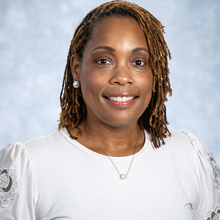
Kate Grandbois: Hello, everyone. Welcome to SLP Nerdcast. I am very grateful today to have a guest who is here to talk about a topic that is under-discussed in our field, but almost of critical [00:02:00] importance to every single SLP out there. Um, I'm very excited to welcome Dr. Tiffany Hines. Welcome, Dr. Hines. Hi. Thank you for having me.
We're very glad to have you. Um, I will disclose to the audience that before we hit the record button today, I had an overly enthusiastic nerdy moment, um, with you about how excited I am to unpack this topic, because it is so relevant to many of us. Before we get started, can you tell us a little bit about yourself?
Tiffany Hines: Sure. Um, well, I am originally from Georgia, and I lived in South Carolina, and I was a school-based SLP for over 23 years. Right now I am an assistant professor at A.T. Still University in Mesa, Arizona, working in the Department of Speech-Language Pathology. Um, I also used to have a private practice in South Carolina, um, but I don't anymore.
Stay pretty [00:03:00] busy. And the things that I like to do as far as research and areas that interest me the most is, um, uh, child language disorders, and then mo- more recently I've gotten more into more professional issues such as burnout and, um, like ethical use of technology, um, especially AI with, with SLPs, so.
Kate Grandbois: I can't wait to talk about, uh, burnout today. Um, as I already mentioned, I think that this is a really under-discussed topic. Mm-hmm. All of us, no matter where we're working, uh, schools, hospitals, pediatrics, geriatrics, every single SLP is working as part of a really small field, right? There are only 180,000 of us nationally, which is, in the grand scheme of things, very, very small.
We're a drop in the bucket in terms of healthcare. Yeah. Um, and there's a shortage. Um, and so we are feeling the pinch in a lot of ways, and I know you're gonna walk us through all of that [00:04:00] today. I promise, promise, promise- Mm ... I am not gonna go off on a tangent of enthusiasm. Um, but I am very excited for you to kind of walk us through what burnout, you know, the many different lenses through which we can look at burnout.
Before we do that, I do need to read our learning objectives. Uh, so participants who listen to today's course will be able to self-report knowledge gains related to identifying at least three research-supported contributors to burnout specific to speech-language pathology. Learners will also be able to compare individual-level coping strategies with systems-level interventions that influence workplace sustainability, as well as design one actionable strategy to address burnout risk within their current professional setting.
Um, both myself and Dr. Hines have financial and non-financial disclosures that are a part of today's episode. To read those financial and non-financial disclosures, please go to the show [00:05:00] notes or visit the landing page. The link to the landing page is in the show notes. If you are using today's episode for ASHA CEUs, please go to the course landing page following the link in the show notes to take the post-test and all of the instructions from there.
Okay, now that we have that, gotten that behind us, I wonder if you could just tell us a little bit about how did you come to burnout? So you mentioned child la- an interest in child language, a private practice. How did you, how did you arrive at burnout as an area of interest? Well, because of my own experience with burnout.
Tiffany Hines: Um, like I said, I worked in schools for well over 20 years, and every year I was like, "Mm, this isn't it." So what I did for a lot of years was I would stay at a school maybe two or three years, and then I'd request to go to a different school, feeling like if I were, if I was in a different setting that, you know, something, it would [00:06:00] renew my why or why I wanted to be there and my impact.
And after so many years of being in so many different places feeling like, like I was starting over every couple of years, I'm like, "What am I running from? What's the problem?" And I was like, "Eh, I just don't wanna do this anymore." But, you know, had been like- In the field for so long, it's like, "Well, what else do I do?"
Um, and so I started trying to figure out how to get, like, this renewed zest for what I had committed, the, you know, the profession that I had committed myself to. And so I started trying to figure out ways to kind of combat... I didn't know to call it burnout at the time. Um, I went to, uh, SCHSA, South Carolina, uh, Speech-Language-Hearing Association's, uh, conference, annual conference, and there was a presentation about it, and I was like, "Oh, that's what you call it.
Okay." And that was really, going to that was one of my [00:07:00] first attempts of trying to feel renewed. Like, "Let me go learn some new stuff or whatever." And that, that's kinda how I got into this, into this area of thinking about it more like, "I'm sure I'm not the only one feeling this." And so maybe, like, two years later, I did a poster presentation on it because by then I had kinda figured out some things that, um, worked well for me.
And I don't wanna list them all now, but, but getting involved into, in, in other areas instead of just, you know, like school hopping, as I called it, um, like becoming more involved professionally, um, and amongst some other things, um, helped me, um, kind of get out of the, the, the feeling of being burned out and wanting to, you know, leave and change my profession altogether.
Kate Grandbois: I really appreciate that story, and so much of that resonates with me personally. I think for a lot of us in the field, you know, [00:08:00] we're trained to do this one thing. Mm-hmm. We're trained to do therapy. We're trained to... And then, you know, over a handful of years in the field, we might develop a clinical specialty.
Tiffany Hines: Mm-hmm. Um, but then what, right? Like, there, there, there tends to be this cul-de-sac in which we turn around and- Yeah ... looking for another option. So I, I share that you are not alone. I am, I know I have so many SLP friends who over the years, um, have expressed a similar sentiment, and it is so validating to hear a word that goes along with the feelings that you're experiencing, right?
Kate Grandbois: Is, and to understand that you're not the only person experiencing it. Um, so thank you for sharing that. Uh, and I am, I am very confident that other people listening to this are, are resonating with that as well. Mm-hmm. Um, so aside from the fact that the word burnout can feel validating- Mm-hmm ... why else does it matter, right?
Like, what are, how is this relevant [00:09:00] to all of us? Well, first of all, it's more than just a buzzword. It actually has something, has a huge impact or m- it's kind of threatening, if you will, the workforce and the retention of SLPs and clinicians, um, throughout our profession.
Tiffany Hines: and one of the things that I've noticed is that there's more and more information on ASHA's website and more and more research about it. So that lets me know that it, it is an issue that needs to be addressed on multiple levels. Um, one of the things that ASHA did specifically for school-based SLPs is they did a, uh, they did a survey back in 2024 of school-based SLPs and SLPAs specifically asking about burnout and retention, and almost three-fourths of the respondents reported that they had experienced some degree of burnout, and that that was contributing [00:10:00] to them wanting to change their work setting or leave the profession or even retire early.
So it starts to have a ripple effect. So if you have clinicians who are not, um, satisfied in their job, it kinda degrades their performance, it degrades retention, and then it also negatively impacts the overall quality of the care that they are giving to their students or their patients or their clients
Kate Grandbois: 1 million percent. I, I'm, I'm gonna spend the majority of this episode trying not to awkwardly high-five you through- ... through a video. I, I, I think one of the things that you touched on that I really wanna emphasize here is the impact that it has on families. Because- Mm-hmm ... our, or patients, our jobs are very un- I, so let me back up for a second.
Burnout is a thing. It is a scientifically researched phenomenon. It is not a buzzword. It's not feeling grouchy for a day, right? So, so [00:11:00] emphasizing that. It is also something that many fields experience. Burnout is pervasive in healthcare. Um, you can h- experience burnout in a lot of high-stress jobs. Mm-hmm.
I think what's unique about our profession is that our... There is a lot of emotional labor in being a therapist. There is a lot of emotional connection that we develop with families. Burnout is pervasive across a variety of different professions.
So we are putting a lot of ourselves into our work.
We're creating space for other individuals and trauma. We're creating space for counseling. Um, all of these things which, side note, we don't get a lot of training for, which is probably another contributing factor. Mm-hmm,
Tiffany Hines: yeah.
Kate Grandbois: And so I think when you're talking about a profession that is working in those particular conditions, you have a really special recipe - Mm-hmm
for, um, for burnout. Pepper in a little bit [00:12:00] of intersectionality with us being a majority female-driven field, so then we are touching things like work/life balance, um, you know, managing families, uh, having children, et cetera, et cetera. Um, so it, it doesn't surprise me that this survey came out with such high, with such high numbers because it's a pretty multifaceted, complex problem.
Tiffany Hines: Mm-hmm. I also think the thing is that a lot of people interchangeably use burnout when talking about stress, or like you're saying with work/life balance, or even peppering in compa- compassion fatigue. So there kind of comes in that, that kind of plays a role in that as well. And so, like you were saying, there is, um, an emotional cost that, you know, contributes to, like you're saying, we're having to counsel families and deal with, um, people receiving bad news or, you know, this is how we're going to address [00:13:00] it, and that, that can sometimes be draining, and you leave it.
Some people also have difficulty, um, compartmentalizing and devi- separating work from home and, you know, bringing home stress to work, and, and those worlds kind of collide. So all of that kind of contributes. And like I said, some people use that interchangeably with a bad, a bad session or a bad span of time or difficult caseload at the time or things like that, and it c- can kind of start to compound, and it can lead to, um, the, the state of being burnt out where there's, like, this total emotional exhaustion.
Um, there's a reduced sense of accomplishment. There's, like, a detachment that can occur when it gets to that level.
Kate Grandbois: I, I totally agree, and I'm, I'm looking at the notes that, that you sent over and thinking about something you just said about the toll that this takes on [00:14:00] not just us, but, and I think I mentioned this already, the, the care that's provided.
Mm-hmm. So in other professions, if you're experiencing these feelings of burnout in a persistent, persistent pervasive way, you might be able to just, like, show up, phone it in, clock in, clock out, scroll your phone. Mm-hmm. Like, get by, right? Yeah. Until you find the next best thing. That's very hard to do when you're creating space for counseling, crawling around on the floor with a child, talking to a parent who's, who's grieving or who's- Right
crying in your office, right? You can't- Yeah ... it's really, really hard, um, to carry both your own feelings of burnout and do your job well.
Tiffany Hines: Yeah. Yeah, that makes me think of one of the very first experiences that I had, um, in my first year. I was sitting in a room full of people. I didn't understand the, the magnitude of it, but sitting in a room full of people, and there was this mother in front of me, and we're all going, you know, down [00:15:00] our papers and reading our reports, and this test showed this, and this test showed that, so this means this, and da, da, da, da.
And then we all took our turns, and the mom was just sitting there. She said nothing. And then at the end, um, the school psychologist was like, "So, um, the diagnosis is autism, and we're gonna do this, and then..." You know, we're all looking down, and I look up, and her face was just covered with tears, and I was like, that's when it snapped.
I was like, "Oh, my goodness. This is a human."
Kate Grandbois: Yes, exactly.
Tiffany Hines: And we all just in- just very flatly just said, "Hey, these are all the things we found wrong with your child." And we don't, I didn't understand how she internalized that. Like, oh, my gosh, is this my fault? What did I do wrong? Am I a bad mother? And when I saw her tears, I was like, oh.
And so immediately from that point on, I learned to stop and ask, like, "Do you understand what we're saying? And this doesn't, this is not your fault." You know, [00:16:00] like, trying to make sure that I was proactive with trying to, we were giving this amount of information, especially to someone who they don't know, you know, a lot of the, you know, professional words that we're using.
So making sure that I'm more personable about it. But like you said, that takes a lot of energy- Mm-hmm ... and a lot of emotional, um, emotional cost on my end to make sure that I'm making the other person, the family members comfortable, and providing, like you're saying, some of those counseling services, active listening, open questions, you know, body language, making sure...
And those all, you know, take a toll on your own energy if you don't- Put, put it back if you don't pour back into yourself after giving so much.
Kate Grandbois: Right. Okay, so kind of reflecting on everything we've covered so far, understanding that burnout is not a synonym for stress, that it, it is a, it is a system you know, [00:17:00] a, a pervasive, very specific, and, and well-studied phenomenon, um, that it's complex.
We've already... And it's, you know, there are many contributing factors. We've already talked about some of the intersectionality involved, the types of jobs that we have. What are some of the other research-supported contributing factors, um, that might... Like, if someone's listening to this and they're like, "Geez-" Mm-hmm
"I wonder if I am..." They're having that experience you did where they're hearing this word and wondering if it's like a, a good label for what describes what they're feeling. What are some of the other research-supported contributing factors to think about?
Tiffany Hines: Well, the first thing that, that I wanna say is that there is not one specific cause.
So it's not, "Oh, I have a high ca- caseload, so now I'm burned out." It, it is like an accumulation of different things, a combination. Um, and specifically when we're talking about, um, within speech pathology, we're talking about high caseloads, large amounts of paperwork, um, having a, a [00:18:00] number, multiple meetings in a day or a large number of meetings, having, um, unrealistic productivity, um, requirements.
Um, like I said before, kind of like heavy emotional labor on a regular basis. Um, feeling the burdens of caregivers.
If there's any kind of ambiguity in someone's role, this is kind of getting into more of a systems level issue that can- issues that can cause burnout. Um, if there's ambiguity in someone's role or if there's a lack of administrative support, or for me, one of the things that contributed to my experiences was being micromanaged.
Um, um, and then in, in certain situations, if the salaries are low, um, if there's budget constraints, so you're having to work with limited materials or having [00:19:00] to fund your own professional expenses, be it dues or, um- Getting professional development hours or continuing ed, CEUs hours and, and things like that.
So it, it can be a combination of all those things compounded over time.
Kate Grandbois: Mm-hmm. I appreciate the description of this level of complexity. Um, and I just wanna hold space for a second for all the SLPs out there who are working under real unrealistic working conditions. Mm-hmm. Uh, I'll tell two quick anecdotes.
So I own a clinic here in Boston. We interview a lot of SLPs for open positions, and just in the last two months I've had two interviews. One SLP's productivity was, uh, 100%. That was her expectation, was that she was suppo- uh, your face is the same. For anybody who's listening there's this, like, confused, like, [00:20:00] WTF.
How could anyone-
Tiffany Hines: Right ...
Kate Grandbois: be seeing patients 100% of the time? The expectation was that she got an extra half hour at the end of her workday to finish all her paperwork. So that was, it, that's a real job. That is a real job that is, that i- exists out there in the world. Another person that I interviewed was a speech language pathologist in a school who had a caseload of 174 students.
Uh, the faces you're making are so good. I'm just, I, I, if anybody-
Tiffany Hines: How is that even humanly possible?
Kate Grandbois: Wow. It is not humanly possible. Not only that, it is 10000000% out of compliance with whatever I- IDEA- Yeah ... law that you would like to apply, you know? Yeah. Out of compliance with an IEP. Like, there's no, there's no way, and she didn't have any SLPAs working under her.
There were, there was that. That was it.
Tiffany Hines: Mm.
Kate Grandbois: So we are working in broken systems, and I know we haven't started talking about systems level issues.
Tiffany Hines: Mm-hmm.
Kate Grandbois: Um, but there are some really challenging jobs out there, and [00:21:00] many of us persist in these jobs for our own personal reasons, for our own values. Um, and I think that, and this is something that you haven't talked about, and I don't know if you agree with me or not, but personal values- Mm-hmm
play a big role in this as well, right? Yes. So you may have a very strong personal value, and if anybody hasn't done any exercises to help define and identify your own personal values, highly recommend. It's a really wonderful and worthwhile thing to do. There are a handful of exercises you can do through acceptance commitment therapy and the happiness trap.
I'll link all of those in the show notes. But if you're, if you're reflecting on your own personal and professional values, and those values align- Mm-hmm ... with the values of your organization, you might be a little bit more resilient to some of that stress or unrealistic workload, right? Mm-hmm. Um, and so, you know, shout out to the SLPs out there who are working in these tremendously challenging jobs that do exist, that are happening.
[00:22:00] Um, and even in those instances you might have a great boss or a great supervisor and the system is just not supporting what, what it is that is a, is a, um, the system is not supporting a role that is resistant to burnout. Right. So anyway, I've gotten a little ahead of ourselves. Um, but I, I think it's important to just kind of highlight the complexity of all of these things.
Tiffany Hines: Mm-hmm.
Kate Grandbois: Um, what else can you tell us about, um, information that's out there? I see a note in some of the things you've prepared for today about a survey that is in progress. Yeah.
Tiffany Hines: Um, so one of the things that I have in progress is a study where I'm surveying, um, SLPs all over the country about, um, burnout, what their experiences are, and then what strategies are they using to, um, to sustain themselves, or to, what are their resilience strategies.
And one of the things that was in some of the preliminary findings [00:23:00] was that, um, when I asked the SLPs in the survey, you know, had they experienced certain feelings and then how often, um, 25% of them said that they, um, were emotionally exhausted weekly. And then 20% said that they were detached from their work, and then 19% had a reduced sense of personal accomplishments.
Now, the reduced sense of personal accomplishment was, like, only a few times a year for that 19%, but I just found that, you know, 25% of them were emotionally exhausted on a weekly basis. Um, so that let me know there that there is, you know, a significant amount of emotional labor that people are doing and maybe not, um, finding ways to effectively cope with that or, or combat that to kinda work it, to [00:24:00] make it a better situation where they're not emotionally exhausted.
Kate Grandbois: And I mean, that is such interesting data, and of course now I wanna ask, like, 50 more follow-up questions- Mm-hmm ... about your data, but that's gonna take us off on, like, a whole other tangent. I wonder if that kind of brings us to strategies, right? Mm-hmm. So just thinking back to our learning objectives, what are individual level coping strategies that SLPs can engage with to try and mitigate some of these issues?
Tiffany Hines: So I have it broken out into, like, individual levels of individual strategies and then system level strategies. So first I wanna say self-care is such a buzzword, but it is a thing, right? And it is helpful, but self-care alone is not enough. You can't go to a yoga class or, um, you know, have, take a bubble bath or do a gratitude [00:25:00] journal only and then everything's gonna be okay.
But the bubble
Kate Grandbois: bath really made me chuckle. That's a good one.
Tiffany Hines: Um, yeah, like, um, Calgon, take me away. You can't do that and then, like, the next day everything is so much better because you had this amazing bath. Like, it helps, but that by itself is not
Kate Grandbois: sufficient. Is there a magical bath that I'm missing?
Could I, could somebody please- I don't know ... point me to the direction of the magical bath? That would be lovely. That's hilarious. I also hear mani-pedis getting thrown around a lot- Yeah, yeah ... or, like, a spa day.
Tiffany Hines: Yeah.
Kate Grandbois: You know?
Tiffany Hines: Or girls' night, like-
Kate Grandbois: Yeah, right ...
Tiffany Hines: those things do help, right? But you can't girls' night, like, okay, Friday night, and then you go back on Monday morning and you have 174 kids to see and a week- I was just
Kate Grandbois: about to say that
like- There is no amount of girls' night- No ... or game night or bathtubs or whatever you throw at me that would- Nothing ... reduce 100% productivity or- No ... 174 kids. Wild.
Tiffany Hines: Not at all. So some of the things that, um- [00:26:00] I, from the survey, started finding that people were doing that seemed to be effective, um, was first of all hard boundary setting, right?
So one thing that I ha- had to implement for myself was when I left work, I left work at work. My laptop did not go home. I was not writing IEPs on Sunday afternoon while there was a roast in the oven. Just wasn't doing it. When I was home with my family, I was home with my family. When I was at work, I was at work.
And I made sure that, um, that I did that. I actually was talking to a couple of SLPAs a couple of weeks ago. Now, they're in their first year of being an SLPA, but they have such a high caseload at the private clinic where they're working that they would take their, d- they would wait all week 'cause they didn't have time.
They worked like, I wanna say like 8:00 to 6:30 something Monday through Thursday. Mm-hmm. And [00:27:00] they spent two to three hours on Saturday, they would meet at a coffee house and do their notes. And I was like, first of all, there's so many things wrong with that. Let's start with HIPAA. But second, how do you remem- I couldn't.
How do you remember from, uh, the session you had these two children at 10 o'clock on Monday morning, how do you remember what you did with them effect- you know, thoroughly and effectively on Saturday to write complete appropriate notes? Like, you can't. Mm-hmm. But they're like, "We just don't have time, and by the time we get off, we're so tired."
And I'm like, "Uh, no. You've got to advocate for, you know, a hard boundary. I need time for documentation or, like, I just can't." Or try to, you know, you gotta try to work with them to figure out a better way of doing that. Um, so again, setting a hard boundary, um- Trying to work on redesigning the workload, [00:28:00] caseload.
We can get into the whole ASHA, you know, workload versus caseload, the workload calculator that's available, um, and things like that. Like, 175, you know, students that are all, you know, once a month, maybe. But 175 where 75 of them are 90 minutes a week, and these are one-on-one, like that's not
Kate Grandbois: realistic. Throw in a little bit of complex communicator, complex bodies, families who are grieving.
I mean, you wanna show up for these kids. Mm-hmm. You wanna show up for these families, but you can't- Yeah ... if you're, you know, spread too thin.
Tiffany Hines: Yeah. And you know, and then I'm, I'm thinking about that. I'm still stuck on that. Like, you have five, seven, eight children in a group in a school. On a good day, by the time you get down the hall and get them and get back to your room, you've got a good 25 minutes, and you divide- Right
it by the number of children. You may be seeing them three or four minutes.
Kate Grandbois: Right.
Tiffany Hines: That's not, that's not effective. Um, some other things that you can do on an individual level [00:29:00] was, um, not school hop like I did, but maybe change settings. If you have always been in a private clinic, maybe try, um, um, out- uh, inpatient or out- or teletherapy, or go to a school.
Um- So maybe change settings. That's the beauty of our profession is we're all trained, we're all SLPs across the lifespan, across settings. So, um, yeah, sometimes people get into areas and they stay there so long that it's kinda hard. Like, if you're a school SLP and you wanna go to a children's hospital, it might be kinda hard to make that leap if you've been in a school for so long.
But then there are other ways that you can kinda work on that, being like g- um, when you're going to conferences, start going to some of the medical sessions. Um, start doing some, um, professional development and maybe even some job shadowing to kinda get those skills, you know, if you've been in a school for a while and you wanna change settings.
Or [00:30:00] same thing, if you wanna go from, um, a pediatric clinic to a SNF, you know, you can, um, try to do it that way. But the overall, um, recommendation would be to tr- or action would be to, um, change your setting. Get active in professional organizations. That's one of the things, one of the main things I did. I started, um, with l- um, a local group.
It was a consortium. So I started... I joined, I think it was like $10 to join. So then when I got in, they asked me to be on the board, and then from there I got involved with ASHA and got appointed to a position, um, when we had SIGs, in SIG 16, which led to another appointment, which led to... You know what I mean?
So things started growing from there. So the more involved I got behind the scenes, I was like, "Oh, wait a minute. Hmm." And that kind of reignited, you know, my passion. Now, it didn't change the, the lo- my caseload, and it didn't change [00:31:00] the micromanagement, but it- It took my focus off of what was wrong, and I started focusing on the things that were exciting me.
So it wa- it was, it made me feel important and it made me excited to get on a call and, um, I don't wanna name drop, but the now president of ASHA was on the call, and I was like, "Ooh." She didn't say anything to me, but I felt super special. Like, I'm on a call with the president. Like, yay. So it's things like that that kind of, that helped me.
So becoming more active, um, with organizations, and then maybe even joining, um, some of these social positive social media groups. There are a lot of groups on Facebook that are alternative careers for SLPs and stuff like that, who they just, mm-mm, if you want to vent, maybe, but they're not necessarily productive because they're not giving you solutions.
It's just let's all [00:32:00] complain. But if you join some other, there are hundreds of- Mm-hmm ... SLP Facebook groups that you can join where you can kind of bounce ideas off of people or, um, talk about, "Hey, I've got 175 students on my caseload. Has anyone ever had that high? What did you do that high of a caseload?
What do you do?" Find, um, you can also find an SLP to mentor you, someone who's seasoned, who has a lot of experience. Um, a lot of times when we start off in, in our careers, like that first year, they give you a mentor that you might see that person. I don't even remember who my mentor was, but I, I think you might see that person or you might not, you know?
But you can get your own mentor, right? And then, um, one of the most important things- That I learned too late, but I finally learned it, was to take your PTO. You are not helping anybody. You're tired, you're [00:33:00] worn out, you have bags under your eyes. You're grumpy. You're snapping at the kids 'cause their nose are, you know, their nose is running.
Like, take the time off. Sometimes you need, you don't need to have a doctor's appointment or go on a Caribbean vacation. You can take your time off and sit at home and binge-watch Bridgerton. Like-
Kate Grandbois: Yes ...
Tiffany Hines: so just, they give you the days, take them. 'Cause I'm telling you, when you leave, when you get ready to retire or you leave, they, they don't give you, they don't pay, a lot of places don't pay you for the days.
You lose them. So why are you-
Kate Grandbois: Really? Yeah That's a law in my state. You have to pay out PTO.
Tiffany Hines: Well, it might be, when I left my my last position in Jacksonville,
Kate Grandbois: I'm- I'm sure it's state by state. I just didn't- Yeah ... I, I hadn't thought of that as, like, a variable. That's, that's crazy. Yes, take the PTO. Yeah.
Tiffany Hines: I called them and I was like, "Oh, I have 30 days of, um, sick leave left."
And they were like, "Okay, that's cute." I was like, "But can't I get paid?" I think when you retire you get credit for those days or something, but [00:34:00] I was leaving-
Kate Grandbois: Wow. Yeah ...
Tiffany Hines: the state. And they were like, "Yeah, no." So I politely took those days off-
Kate Grandbois: Yeah ... by
Tiffany Hines: taking all of my days.
Kate Grandbois: Yeah. I, I also, I love the suggestion of finding a mentor.
I think that is me- mentorship is totally underutilized in our field. It is not the norm. It should be. Mm-hmm If you can find a free mentor, just connecting with someone who's been in the field longer than you, or a coworker who's been there longer than you. I don't know if anybody watches Abbott Elementary, but I'm, like, thinking about Janine.
Yeah. And, and was Barbara, is it Barb? I can't remember the name of the older woman who kinda - Yeah ... like takes her under her wing. But sometimes you might have like a coworker who ca- who's been a little bit more seasoned to kind of, you know, get advice. Mm-hmm. Stay out of the toxic Facebook groups. If anybody's watching this- No
on YouTube, you probably saw me make a face. Uh, social media can [00:35:00] be, you know, a great place and a scary place all at the same time. Um, and if you have to, if you have the funds to find, you know, a low-cost mentor that you, you know, that you spend time with, having that relationship can be a tremendously helpful, um, a tremendously helpful lifeline to- Mm-hmm
talk about career advancement, air frustrations, get advice for how to communicate up, how to manage up, how to talk to your managers, how to navigate stressful situations at work. Um, I think that that's such an amazing recommendation, and I'm so glad you brought it up.
Tiffany Hines: I personally, because I went from being a school-based SLP to academia, um, of course my university gave me a mentor, you know, on campus, but I Wanted multiple people in multiple areas.
Um, especially because of who I am and, you know, who I am [00:36:00] culturally and moving into a whole different space, I wanted someone who could speak to my specific situation. So when I went to a conference, um, and that's another thing about going to conferences, you meet people. So we were in a session and this lady stood up and she was answering a question.
I was like, "Hmm, I kinda like what she's saying." So I just blindly called went up, "Hey, my name's Tiffany Hines," da da da da. We struck up a conversation. She's now, like, my unofficial mentor. When I have a question or I'm like, "What should I do about this?" Or, "This is what I'm thinking. Does that make sense?"
I'll reach out to her, and she doesn't have a problem. So going to, um, conferences or even CEUs and you have the instructor and you like what they're saying or you like their energy or their vibe, ask them. Some people, I don't mind personally, um, mentoring people, you know, when people have questions or being accessible and available for others.
I feel like that's part of [00:37:00] my calling is to reach back and help you know, to help people who are struggling, 'cause I know what it was like, you know? And I needed... I was like, "I don't know what I need. I need-"
Kate Grandbois: Mm-hmm.
Tiffany Hines: And but now, once I figured it out, I'm like, maybe I can help other people who, even if they've been in the profession for 20, 30 years, they're like, "Ugh, I don't know what to do now," I don't mind helping.
And or, or the new SLP who's overwhelmed, you know, they, "I just finished my CL. What now?" So.
Kate Grandbois: Right. Right. I, I know we've kind of danced around, um, the complexity of this issue in terms of industry level solutions, systems level solutions. Knowing that there are things we can do personally is helpful. Mm-hmm.
Boundary setting, finding mentorship, aligning more with values. That's all well and good. I know that it, before we [00:38:00] hit the record button, we kind of touched on how it is not, this should not s- fall squarely on the shoulders of the individual because- Yeah ... this is a systems level issue. Mm-hmm. Can you talk to us a little bit about the intersection between what we can do as individuals versus what ends up happening at the organizational level?
Tiffany Hines: Mm-hmm. Definitely. Um, some of the things that you can do or advocate for, um, at a systems level is to- First, try to evaluate your workplace culture. So like is it collaborative? Are you isolated? Um, the example that always comes to my mind when I think of isolation is one of, one of the many schools where I worked in the first few years of my career, um, I was literally in a broom closet.
They literally moved the mops and [00:39:00] the buckets out of a little closet and stuck me in there. Oh my God, that's
Kate Grandbois: like
Tiffany Hines: the
Kate Grandbois: cliche. That happened to you .
Tiffany Hines: You know, it literally. People say that funny. "Oh, I had a broom..." No, I was literally w- in- In the cupboard under the stairs ... you know how the broom closet in school has the, um, the, the drain in the middle of it?
Yes.
Kate Grandbois: Yes.
Tiffany Hines: It was that room. They put, they took e- everything out. Oh my God . And put a desk and a chair in there and was like, "This is your office."
Kate Grandbois: Oh. Yeah. With, like, no ventilation, no window, and a drain in the floor.
Tiffany Hines: Nothing. And
Kate Grandbois: like
Tiffany Hines: the slope- And I had to have the door open or I died. Oh my- And then, you know, it's in the hallway where the k- you know, the kids are walking by looking like, "Why are you in here?"
Kate Grandbois: I'm sorry I'm laughing. It's not funny. Uh, this is, this is shook over here.
Tiffany Hines: It was, it was traumatizing at the time. Now this is well over 20 years ago but I, I very vividly remember that. I remember standing there looking at that person like, "This has gotta be a joke. You're putting me in the broom closet literally."
Kate Grandbois: Oh, my Lord.
Tiffany Hines: Needless to say, I stayed in that position less than [00:40:00] six months. But, but, but therein lies, you know... That was not something, I wasn't burned out. That was the, you know, the system, the situation that they put me in. But, um, at the time I didn't advocate for myself. Now I know better. So I'm saying to the SLP that's listening, if they literally put you in a broom closet, I don't think that hap- I hope that doesn't happen anymore.
But if it does, it needs some work. We're gonna get
Kate Grandbois: people writing in like, "I'm in a broom closet." Yeah.
Tiffany Hines: Yeah, no. You need to advocate for yourself. Like that's, yeah, you, that's unacceptable. Um, or is it, if it's collaborative. If it's collaborative, um, there should be or hopefully a, um, an avenue for you to be able to, um, talk to your immediate supervisors or people who are in leadership, um, roles.
Kind of just determine if you're in a situation where they're micromanaging you, which is suffocating, or is [00:41:00] it a free-for-all where the person's like, "Hey, everybody do whatever you wanna do" and there's, it's kinda chaotic? And then what are the organizational policies? These are some things that you can kinda look at ahead of time.
And then, um, again, going back to mentors and supervisors, are they accessible? Um, are they open to hearing what you're saying? So for anyone who is in a leadership position who can take some action, what you can wanna try to do is build in, and if you're on the other side, you're the SLP and you want to advocate for these things, here are some things you can do.
I'm all for being proactive. The system needs to build in wellbeing initiatives before the burnout occurs.
Kate Grandbois: Mm-hmm.
Tiffany Hines: So instead of, "Oh, well, you have five visits on your EAP," like, and you take your personal time to go and, and, you [00:42:00] know, schedule it or whatever, that they have people available at your, at your- That you have access to, um, during work time.
I think allowing an SLP, let's just say 30 minutes, and it- 30 minutes and then they have a 30-minute lunch, but you take 30 minutes for them to... In my, in my university we have a meditation room.
Kate Grandbois: Amazing.
Tiffany Hines: I'm in the meditation room on a regular basis. We were in a high-stress situation. We have, um, some, some programs have comprehensive exams.
We have what's called a culminating event where right before they graduate they have to present their research and present on, you know, the, the things that they've learned in our cultural growth profile and their interprofessional practices. And so all of us are in a room. It's very high stakes and high- a highly emotional, intense situation.
So in between students [00:43:00] I would be like, "I'll be back." If we had like a quick 10-minute break, I'm in the meditation room. Okay. So that I don't so I don't cry, right? Or I don't... Because it's emotional. I'm crying not necessarily for, for b- I'm, I'm excited the students passed. They're about to graduate, and they're like, "Thank you so much for pouring into me, and I've always wanted to be an SLP, and thank you to y'all because now I am."
That's very emotional. I need to go decompress because I don't wanna take all of that into the next person. I need to be able to focus to hear. Mm-hmm. So having things like that built in would be very, very helpful. Um, another thing that when I was working in a school, um, this was pre-COVID.
I can't think of the name of it. It'll come to me. But I submitted the grant and, um... Donor Shoes. There we go. Donor Shoes. Okay. So, um, submitted that, got a grant, and created a sensory room in the school, um, out of a room they weren't using.
A little small, uh, [00:44:00] consultative type room. And, um, for the students who need, who had sensory needs so they can go in there to decompress or use their fidgets or look at the lights on the wall. I was in there sometimes more than the students, just sitting in there. Sometimes people... Gone away are the old, at least where I was, where, um, the...
My mother was a teacher for over 40 years, and I remember going to school with her when I grew up. They had teacher, teachers, the teachers' lounge, right? Mm-hmm. They had the vending machines, and there was a sofa in there. Yep. They could go in there. There was a ti- I don't think, um, SLPs are a little bit different, but like in schools, um, 'cause we can go in our room and close our doors in between sessions, but there's not a place-
Kate Grandbois: Mm-hmm
Tiffany Hines: where you can go to, you know, decompress or, "Let me, okay, I'm halfway done with this day. I can, let me, you know, re-energize to finish the day." Um- [00:45:00] And then also having protected times for documentation. The person with 100% productivity Productivity That's, that's un- unreasonable. Like in 30 minutes at the end of the day-
Kate Grandbois: Unreasonable
Tiffany Hines: No.
So like, um, I think there are a lot of places that have, if you have like an hour session, it's like 50 minutes of contact, maybe five minutes of consulting with the caregivers, and then five minutes of documentation. Like that seems reasonable to me. Um, especially in the age of AI where you can kind of do some, um, um, some preliminary notes and go back and have it.
Um, of course you take the per- you depersonalize it, so for HIPAA, but you can now go back later and, um, within that five minutes you have it do some prompts and you can copy and paste it and put it in your notes. Um, and having on-the-clock mentorship, [00:46:00] right? A time built in where you can, um, someone can come in, and not necessarily your supervisor who's evaluating you or doing an official observation, but someone can come in and li- literally help you with a task, or you can meet with them so many times a week or a month on the clock to get the mentorship or the support that you need.
another thing that I found very interesting, I found in some research Was, um, leaders doing listening tours. Mm-hmm. So like going around during the day actually not observing to see what they're doing wrong, but to see, "Hey, how's this going? What do you need? How can I support you better?" Um, I think a lot of times, at least for me, if I felt like the leadership was open and willing to be supportive, [00:47:00] that took a lot of stress.
That, you know, reduced it a little bit. Mm-hmm. You're like, "Uh, this isn't working. I need to talk to her about this."
Kate Grandbois: Feeling seen and heard is- Yes ... is huge.
Tiffany Hines: Yes. And, um, again, one thing you can do to advocate for the, the ASHA caseload workload. And then if you're in a toxic environment, you can push back on that, you know?
Um- One way or another. But, um, and I think that will vary, you know, by situation. But don't take it because you- you're wearing yourself down.
Kate Grandbois: Mm-hmm. I also think there's something that, you know, something to think about while you're trying to reflect on your own workplace and figure out what your culture is like, right?
These are really big ideas that a lot of us have never really sat with before.
Tiffany Hines: Mm-hmm.
Kate Grandbois: There are inherent [00:48:00] power dynamics in a workplace. So if you are an SLP, you might ha- feel like you have less relative power than your supervisor.
Tiffany Hines: Mm-hmm.
Kate Grandbois: That does not mean that you are powerless.
Tiffany Hines: Right.
Kate Grandbois: It does not mean that you are not within your right to advocate, to speak up- Mm-hmm
to ask questions. I think another really important thing you mentioned that I love is this idea of evaluating your culture. Mm-hmm. And, like, what is it? You know, some people are like, "Oh, I like where I work. I have friends there." Okay, that's great. Some people are like, "I hate where I work. Everybody's-" Mm-hmm
"complaining all the time, and my boss is really mean." Okay. Mm-hmm. If we have a f- uh, a, a way to more systematically think about what kind of culture we're in, we can take that information and do something with it. So when you were talking, I was reflecting on things like, what is happening at, like, the tippy, tippy top?
Mm-hmm. [00:49:00] What are the slogans, right? Culture are things that we can see, and there are also things that we can't see. Mm-hmm. There are slogans and w- and, and, and value statements, but it's also how do people behave when there's disciplinary action, right? What are the action steps that are taken? Um, what are the, what are the expectations that are set?
What are, how are the leaders behaving? All the way at the top, in the middle, and also in your department because there are s- you could be in, like, a larger organization that has amazing values and a really positive culture, but your department is toxic- Right ... because somebody is gossiping all the time.
Yeah. So, you know, you can really kind of reflect and think on- Mm-hmm ... you know, the big picture, like your organization or your macro level variables, people in the middle, or what's happening at teams, but also boots on the ground, you know? Mm-hmm. You might have a particular set of coworkers that make you feel positive or negative about your job.
Mm-hmm. And those things, they really, really matter.
Tiffany Hines: Mm-hmm. Mm-hmm. [00:50:00]
Kate Grandbois: Um, I also love your suggestion of talking directly to the leaders, and this is where my bias comes in because I'm so fascinated and interested in this personally. Leaders can do so much. Mm-hmm. Leaders have really an, a tremendous amount of influence and sway.
Um, and I wanna... You had a great... I love the idea of listening tours. I love the idea of learners, uh, um, leaders using things like that to cultivate trust, right? Mm-hmm. Cultivate places of psychological safety, 'cause no job is perfect. Right. No job is perfect.
Tiffany Hines: Right.
Kate Grandbois: Anybody who's thinking that there's- Mm-hmm
like, a perfect job out there, that does not exist. No. You're gonna have a bad day, but having a bad day in a place where you feel psychologically safe and you have t- trust- Right ... to lean on makes a huge difference.
Tiffany Hines: Yeah.
Kate Grandbois: Um, I love, so I love the listening tours, and I, I heard of one idea from another SLP that I want to share that was so brilliant.
She's a d- department head at a school.
Tiffany Hines: Mm-hmm.
Kate Grandbois: And she has cultivated a network of [00:51:00] what she calls SLPs in the Wild who are SLPs who have a relationship with the district who can come and sub at a moment's notice so her SLPs can take a day off at the last minute.
Tiffany Hines: Oh, wow.
Kate Grandbois: And those SLPs in that department feel less pressure.
They feel like they can stay home with their babies if they're sick. Mm-hmm. They feel like they can take a day off with outside of the two days or three days that the district gives them as part of their contract- Mm-hmm ... because of these SLP subs, and the SLP subs exist because of the leader and her relationship with the community.
So leaders are unbelievable in their ability or inability-
Tiffany Hines: Mm-hmm ...
Kate Grandbois: to create some of these systems that help support and shift the culture of a, of a building. And I, I, I feel like I've already said too much, but it was just, like- No, no ... one idea that I thought was such a brilliant idea.
Tiffany Hines: Yeah. That made me think of something else.
Kate Grandbois: Oh, share.
Tiffany Hines: Like, um, I can remember, I, I didn't say at this school [00:52:00] either, um, like when you were out and I said, "Take your PTO," but I just remember you might, there might be consequences because they started to try to have a policy of when you're out, all of the children that you didn't see when you're out, you need to make them up that week.
Kate Grandbois: So it's just pushing the work to another- Right ... it's just like squeezing.
Tiffany Hines: So the idea that the leadership there had the foresight to like, "Okay, let's have SLP subs." So 'cause teachers have subs.
Kate Grandbois: Right.
Tiffany Hines: So like, yeah, if SLPs, if we have subs in schools or whatever, then you don't have that, "Oh, you gotta see 40 extra kids on Friday because you didn't, um, c- because you were out, because you were sick, or your child was sick."
Like, that just makes it... That contributes to... That's way more than stress. That contributes to- Right. But I like what you said about that's kinda like the gold standard, the way you just described it, of the workplace being, um, psychologically safe. [00:53:00] I'd also venture to say physically safe, 'cause there are situations- Yep
where, you know, I'm getting smacked on a daily basis. Mm-hmm. So you gotta think about that and how, how leadership handles, um, when you're dealing with, um, behaviors, um, with, with whether they're children or adults who have significant behaviors. Are you safe? Um, are the r- are the expectations realistic from the leadership?
Um, are they providing supportive supervision or mentorship? So that's kind of like the things that would make the environment overall be healthy or feel healthy.
Kate Grandbois: Right. So for anybody who's listening and is resonating with some of this, either on their, you know, their current workplace or a previous workplace, or the friend who you know is miserable and looking for a new job.
We all have that friend. I have like three ... Mm-hmm ... I have like two or three of them right now. I wonder if you could share [00:54:00] some action steps, um, that people can take to, like you said, mitigate it, get ahead of it. Mm-hmm. Or, you know, strategies for talking to their leader, um, m- their leadership or- Mm-hmm ... um, even ways to identify what those risk factors might be as a first step.
What- Um- What are the some things that we can do?
Tiffany Hines: The first thing I think that we can do, well, you can control, there's a, there's a sphere of things that you can control and a sphere of things that you can't control. So let's start with, within the things that you can control, which is yourself. So do like a self-audit.
Um, identify what, if you feel like- You, there are different, um, evaluations that you can find online to take to see if you actually are displaying, um, characteristics or symptoms rather of, of burnout or if you're just highly stressed or... Um, so you can see that. [00:55:00] But you can identify personal or workplace, um, issues that are risks for you becoming burnout, right?
So you can ask yourself, "What's draining me? Um, what restores me? Um, what's one thing that I can do this week or this month to change those things that are draining me?" Um, so for example, if you are the SLP with 100% productivity, you can be like, "Okay, let me, I need to right now, that's draining me. So what, what can I do this week to, to address that?"
Does it mean you, on an individual level, try to build in systems that are less draining, or do you need to start advocating for yourself at a systems level? So those are things that you can do individually. And, um, on a [00:56:00] systems level, you can begin to have sche- I would schedule a meeting and just try to have a meeting with your supervisor.
If you don't feel comfortable with them, someone in a position of leadership to try to have the conversation of, you know, "This is how I'm feeling. I really enjoy my job. I don't wanna leave, but I would like to get feedback from you on how I can... These are the things that I found that drain me. So how can we, um, on a level, on a, on a administrative level, how can you support me in addressing these issues?"
Kate Grandbois: And I just wanna reiterate for anybody who's thinking of taking action and feeling that they don't have the power or they don't feel empowered to do that, um, it is absolutely within your right, just to say it again, to ask for help- Mm-hmm ... to be clear about your [00:57:00] needs, to be clear about your feelings.
Another way to look at it, it is in your employer's best interest to keep you.
Tiffany Hines: Mm-hmm.
Kate Grandbois: We have a shortage of SLPs nationally. This is an issue of economics. I'm not gonna go off on my economics soapbox. Mm-hmm. I swear I'm not. It is really hard to suppo- to replace speech-language pathologists. It is very hard to replace talented speech-language pathologists, and experienced ones.
If you are in a position where you would really like to improve your, i- improve your current workplace conditions, it is in your employer's best interest to work with you. They want to know. They want to know because they more than likely don't want you to leave. So it is a benefit. If you're feeling intimidated or, or you don't, you don't feel comfortable speaking up, it is within everybody's benefit for you to speak up.
Mm-hmm. If you are [00:58:00] in a situation where you don't feel safe, you don't feel like, you know, you have a particularly toxic supervisor- Yeah ... who has gaslit you or,
Tiffany Hines: I don't know, done-
Kate Grandbois: Done challenges ... any myriad of unprofessional, unfortunate things, and you don't feel comfortable talking to them, that is obviously an issue that needs to be addressed.
I would start asking questions like, "Is there a human resources contact?" Mm-hmm,
Tiffany Hines: mm-hmm.
Kate Grandbois: That could provide you with advice. Um, it might not necessarily be appropriate to go around your supervisor or above your supervisor because there are office politics and hierarchy structures that are not gonna bend just because you need to advocate.
Mm-hmm. But perhaps there is a human resources contact that can help you navigate it or give you the advice that you are seeking for how to talk to this particular supervisor. Um, in terms of that sphere of things [00:59:00] that are out of your control, I like to... You know, there are obviously things totally out of our control.
Like, we're not necessarily as individuals going to change state IEP mandates, right? Like, there, there are things in place that, that they, they are the way they are, and it may not be our battle to fix them or change them. But I like to think that we can have influence in our more direct sphere of, of, um, what impacts our day-to-day, what impacts our jobs.
Tiffany Hines: Yeah. Um, I also think when, when I was saying that, like, um, I like that going to the hu- a human resource person. Um, 'cause I was thinking, um, that's also where someone, a mentor could come in if there's someone who is, um, within the same organization. Or maybe not e- if even if they're not within there, that they could give you, um, some insight on how to deal with that.
But I think, um, [01:00:00] going to HR would be Would be a good, a good start. Um, but I would like to challenge everyone to, to commit to at least one actionable step immediately. So if that's, um You know, I'm setting a hard time off. Like if I'm supposed to get off at 6:00, but I wanna finish my notes before I go home 'cause I'm not taking any work home, I'm doing it up till 6:30 and then I'm walking out- Mm-hmm
whether it's done or not. Like, so that you can do, um-
Kate Grandbois: Mm-hmm ...
Tiffany Hines: immediately. But that is what I wanted to challenge everyone, um, to try to do, because those are one of, some of the, from the study that some of the strategies that people use for, um, to combat their feelings of emotional exhaustion and, you know, being resilient is using some of their, some of our skills.
You know, we're some of the best [01:01:00] problem solvers in the world, right? I think. So we can apply some of the same kind of diagnostic and therapeutic, uh, strategies to ourselves. Like, and that's what you can do with that self-audit, like diagnosing what is, what are the issues? What are the problems? And then how, how am I gonna fix it?
That's what we do, um, naturally as SLP, so that's something that you can transfer to yourself and whatever the professional situation is. Um, and then, um, one other thing was, uh, to focus on the wins. Like every- everything all day is not bad, right? Like there's at least one good thing in a situation or in the day, and try to, um, flip your focus.
Like, yeah, maybe your, um, the principal came in unexpected and observed the session and it was horrible because the child was running around. But, you know, [01:02:00] maybe you found out that everybody's getting a bonus at the end of the month or something. So there has to be something that's good, you know?
Kate Grandbois: I also think- Focus
Tiffany Hines: on that
Kate Grandbois: finding what's good that aligns with what you, with, with what fills your bucket, right?
Tiffany Hines: Yes.
Kate Grandbois: Right? So like thinking about, again, going back to that exercise of identifying your own professional values and your own personal values can be a really eye-opening experience. And I... That's just selfishly for me.
You know, I, I think it's, it's so, in so many instances about value alignment that can... Or misalignment that really creates those deep, unsettling feelings of discomfort. Like I, I, I don't like what I'm doing. I'm like in my bones, right? And so if you're in that situation, finding what fills your bucket and then focusing on that, I think that's such a wonderful suggestion.
Mm-hmm. In our last couple of minutes, do you [01:03:00] have any final words of advice for anyone listening who's maybe in the same shoes that you were in a handful of years ago?
Tiffany Hines: Hmm. Again, I think it's important, like you can control yourself.
Kate Grandbois: Mm-hmm.
Tiffany Hines: Um, and if you are in a situation that you- you've done all of these things and you feel like I've done all of that, I'm, you know, doing my things on my individual level, I've advocated for myself and it, and it hasn't worked out, then, you know, you have options.
You have, um, you know, you can exercise your options as far as, as broad and as wide as our, our field is, and see if there's something else that you're being moved towards. Um, know what your triggers are. Know what's draining you. And also know what restores you. So once you figure out what's draining you and you try to address it, what is going to, like she said, restore you and fill your cup?[01:04:00]
Um, balance your individual boundaries. Um, advocate on a, on a systems level as much as you can. And that, those things can lead to you having a long and productive and sustainable career. Because if we can get to a point where- If the system isn't fixed, if there are things that are built in proactively and then we can prevent burnout and increase retention, then that just makes us as professionals more resilient, more impactful, um, and just healthier overall.
And we can give our patients, our students, our clients the care, and our families the care that they need and deserve.
Kate Grandbois: I love that. Thank you so much for being here today. Welcome. I learned so much, and this was just a, [01:05:00] a really wonderful and helpful conversation.
Tiffany Hines: Thank you.
Kate Grandbois: Before we close out, I also wanna thank, um, our team.
So a quick thank you to Dr. Ana Paula Muñiz, who, um, is our, makes our ASHA CEUs possible, our production manager, Darren Lopez, Tracy Callahan, our advisory board liaison, Dr. Mary Beth Schmidt, who provides consultation related to peer review, our entire advisory board who engages with content and elevates our content to make sure it's high quality.
And last but not least, again, thank you, Dr. Hines, for being here. This was a really wonderful conversation, and we're very grateful for your time.
Tiffany Hines: Thank you.
Outro
Announcer: Thank you so much for joining us in today's episode, as always, you can use this episode for ASHA CEUs. You can also potentially use this episode for other credits, depending on the regulations of your governing body. To determine if this episode will count towards professional [01:06:00] development in your area of study.
Please check in with your governing bodies or you can go to our website, www.slpnerdcast.com all of the references and information listed throughout the course of the episode will be listed in the show notes. And as always, if you have any questions, please email us at [email protected]
thank you so much for joining us and we hope to welcome you back here again soon.
.